







ArticleNitrogenFood & beverage
Nitrogen Blanketing Systems
Tanks are the most widely used equipment for storing raw materials and finished or semi-finished products in industry.
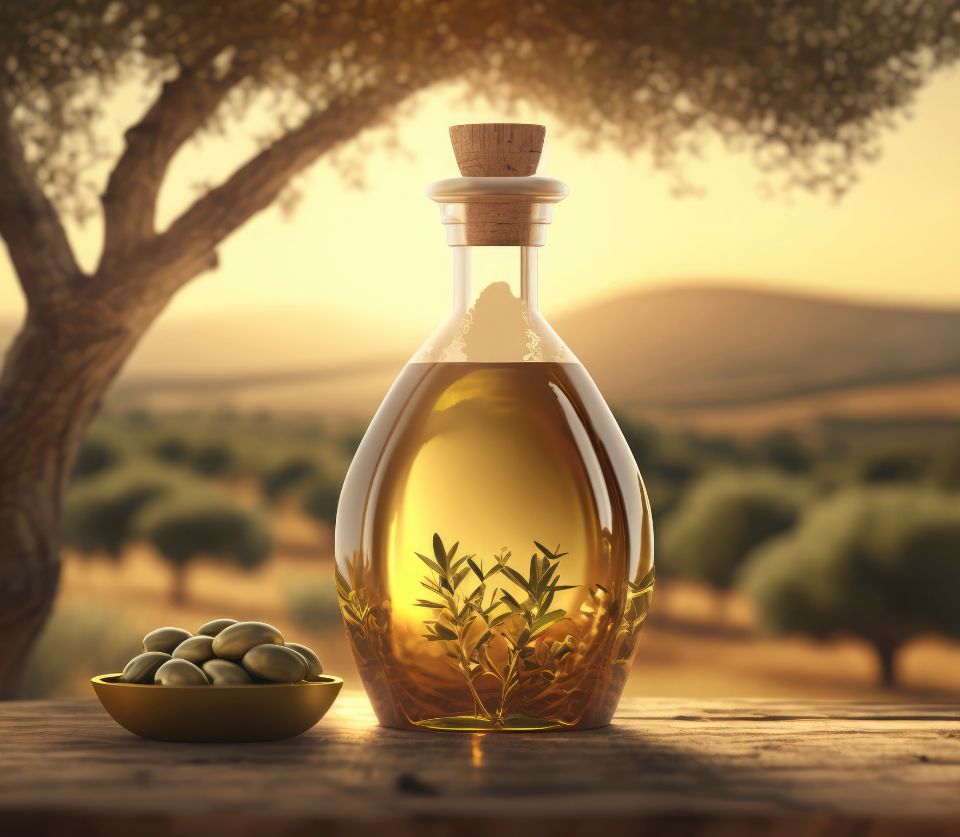
Water, milk, vegetable oil, ayran, food additives, wine, fruit juice, resin, glucose syrup, solvents, liquid fuels and countless other fluids are stored in cylindrical or spherical tanks and used in a wide range of processes.
Nitrogen blanketing against combustion and explosion
In sectors such as petrochemicals and chemicals, the products stored in tanks are mostly fuels or flammable solvents such as ethylene oxide, ethanol, butane, hexane and methanol. Temperature rises, static electricity or external sparks can therefore easily ignite such products and cause an explosion.
Every flammable chemical and fuel has its own ignition temperature and needs a certain proportion of oxygen to burn. DHE Endüstriyel’s expert engineering team calculates the MOC (minimum oxygen concentration) and LEL (lower explosive limit) of chemicals such as C₃H₈ (propane), C₂H₄O (ethylene oxide), CH₃OH (methanol) and hydrogen (H₂), and confidently recommends a nitrogen generator of suitable purity to its customers.
Nitrogen blanketing against oxidation
In tanks closed to the atmosphere, if no air can enter to replace the volume lost while the product is drawn off, there is a high risk of the tank going into vacuum and collapsing. Letting air in under control through equipment such as breathers or vacuum breakers, however, brings in oxygen, a combustion-supporting gas that makes up 20.9% of the atmosphere and can create the conditions for the product to burn. Nitrogen (N₂), an inert gas, is therefore used to keep the oxygen level in tanks below critical limits.
In this method, known as blanketing or padding, nitrogen is supplied under pressure control to the headspace of the tank.
When the tank is filled, the gas in the headspace must be vented in a controlled way, and safety systems such as relief valves and bursting discs should be used to protect the tank in unexpected situations.
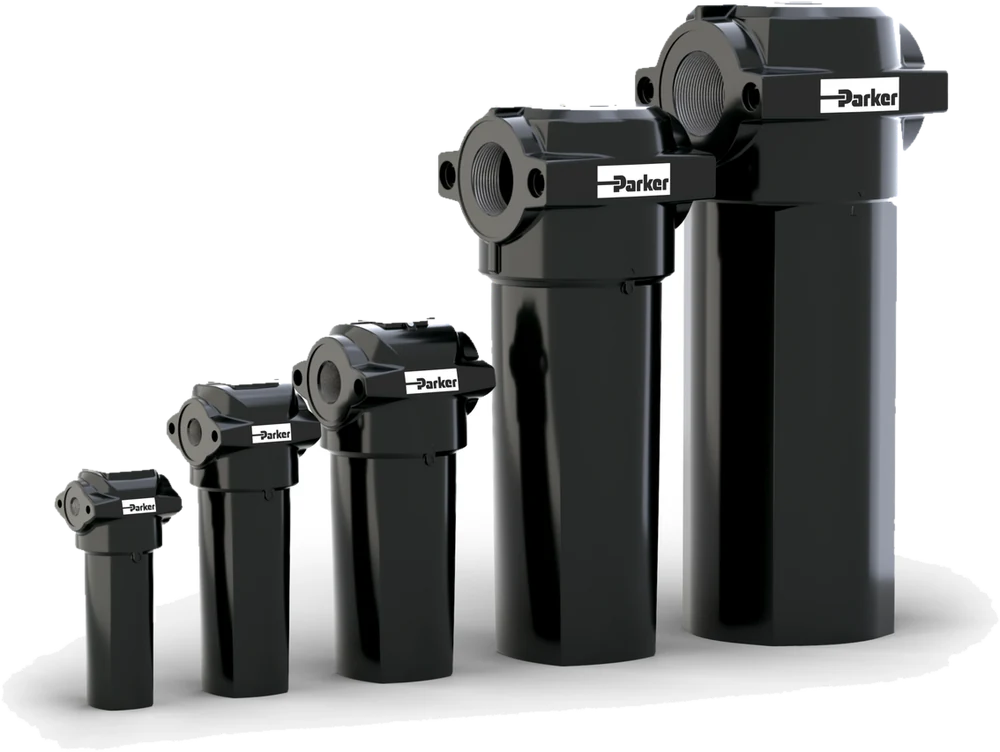
In the food industry, especially when sunflower oil, olive oil and oils from seeds such as soya, corn and hazelnut are stored after refining, letting the tank breathe raises acidity, and peroxide formation spoils the quality of the oil. Producing nitrogen on site at purities of 99% and above with Parker PSA nitrogen generators therefore prevents vegetable oils from deteriorating.
Likewise, in the chemical and cosmetics industries, contact with oxygen can cause undesirable effects in chemicals such as paints, resins, polyurethane and essences: changes in colour pigments, loss of viscosity, odour defects or changes in the product’s chemical structure through various reactions. DHE Endüstriyel offers its customers in Türkiye application-specific optimum solutions, drawing on the experience of Parker, which has more than 60,000 nitrogen generators installed worldwide.
In fermented drinks, the presence of oxygen lets fermentation continue uncontrolled and turns the product sour, or, as it is commonly put, into vinegar.
Nitrogen blanketing against microbial growth
Ensuring and maintaining sterility is critical, especially in milk and dairy products. In dairy products that are pasteurised at various temperatures and times and fermented where necessary, letting the tanks breathe can very quickly trigger aerobic growth in these protein-rich products. This is why generators that can produce sterile nitrogen are widely used both worldwide and in Türkiye.
Likewise, the headspace of tanks is filled with nitrogen when syrups and various flavourings and extracts are transferred between processes and shipped to the end customer.
The nitrogen used for these purposes can be bought from industrial gas suppliers in high-pressure cylinders, or produced on site far more economically with a nitrogen generator.
Indeed, hundreds of companies have switched to nitrogen generators because of occupational safety risks, costs such as rental, transport, fees and service charges, and hidden items such as production losses when a cylinder runs out mid-process, returns of unusable gas left in cylinders, and forklift and operator costs for changing cylinders and manifolds.
With 18 years of experience, an experienced team and package solutions, DHE Endüstriyel has not only cut the costs of the food companies where it has installed nitrogen generation systems, but has also contributed to the national economy by reducing the carbon emissions of transport and the consumption of imported oil.
Other articles.
-
 SustainabilityGreenhouse gases and nitrogenIn recent years the climate crisis and drought have been among the most important topics on the agenda, both worldwide and in Türkiye.
-
 NitrogenModified atmosphere applications and the MAP techniqueWith the MAP technique, packaged foods have been able to extend their shelf life naturally, without any additives.
-
 Compressed air qualityCompressed air quality in water and beverage productionAs technology speeds up production, bottling speeds, like those of every process, have reached levels the eye cannot follow.
Let’s choose the right nitrogen system together.
Weekdays 08:30 – 18:00